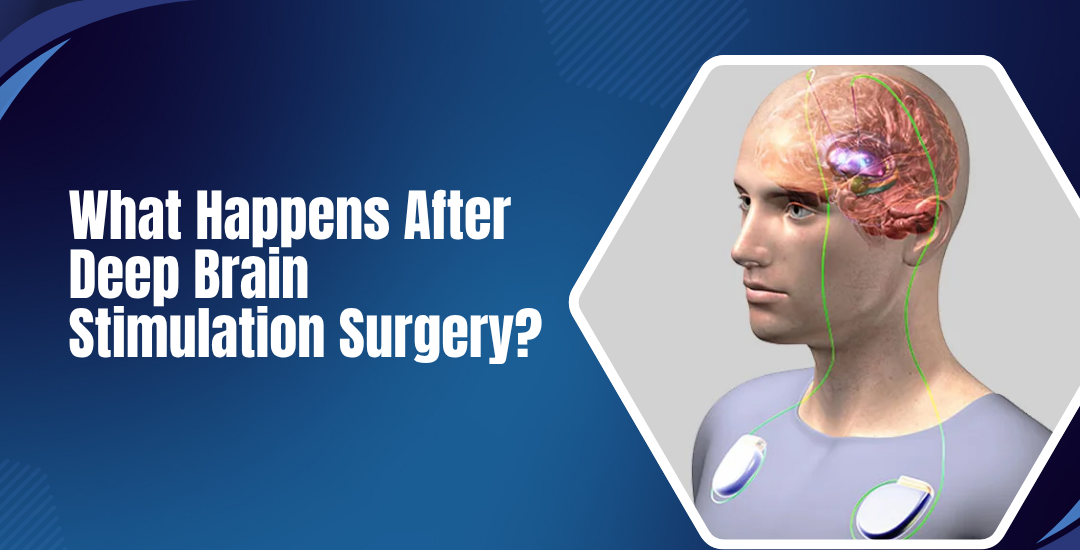
Deep Brain Stimulation surgery is performed in two stages.Electrode implantation happens first followed by device activation several weeks later once the brain has stabilised The initial hospital stay is typically two to three days.Symptom improvement does not begin until the stimulator is programmed and switched on at a separate post-operative appointment.
According to Dr.Naren Nayak, neurosurgeon in Thane, “The post-operative period following DBS is as clinically significant as the surgery itself.Systematic programming and regular follow-up determine the extent of symptom control a patient ultimately achieves.”
What Happens in the Hospital After DBS Surgery?
The first two to three days post-surgery are focused on neurological monitoring and wound assessment rather than symptom improvement.
- Observation Period: Neurological function is assessed every few hours. Wound sites are monitored for infection. Most patients regain stability within the first two days.
- Device Not Yet Active: The stimulator is not switched on at the time of implantation. Device activation occurs two to four weeks after surgery at a dedicated programming session.
- Physical Restrictions: Patients are advised against bending at the waist, lifting, or strenuous physical activity for four to six weeks. Assisted walking is encouraged from day one.
- Two Surgical Sites: One incision is made on the scalp for electrode placement and one near the chest for the pulse generator. Both sites require wound care and monitoring throughout the recovery period.
Families should expect no immediate symptomatic change during this phase as the device remains inactive. Read about deep brain stimulation to understand what the full procedure involves before recovery begins.
How Does DBS Recovery Progress Over Weeks?
The post-discharge phase spanning weeks two through twelve determines the long-term outcome for most DBS patients.
- Device Programming: The stimulator requires multiple calibration sessions to identify settings that adequately control each patient’s specific symptoms. A single programming session is rarely sufficient.
- Medication Adjustment: Dopamine or tremor medications are reduced gradually as the device takes over symptom management. Dosage reduction is not done immediately after activation.
- Symptom Improvement Timeline: Tremor reduction and improved motor control typically become apparent two to four weeks after device activation. Response times vary between patients.
- Post-operative Fatigue: Fatigue is expected in the first three weeks following surgery. Energy levels stabilise progressively as stimulation settings are optimised.
Neurosurgeon follow-up continues across several months to monitor battery performance, stimulation output and symptom response.For information on what battery replacement involves over the long term can go for DBS battery replacement for a detailed clinical overview.
Why Choose Dr. Naren Nayak for DBS Recovery Care?
Dr. Naren Nayak has over 15 years of neurosurgical experience with a focused specialisation in Deep Brain Stimulation including post-surgical programming and long-term follow-up care. His fellowship in Functional Neurosurgery from Japan and role in co-founding one of Mumbai’s first dedicated DBS programs reflect a depth of clinical experience that directly informs how recovery is managed at his practice.
Device programming is reviewed and adjusted at every follow-up visit based on documented symptom response rather than a fixed protocol. Patients referred after suboptimal outcomes elsewhere are assessed for programming adequacy as a primary step before any further intervention is considered.
Frequently Asked Questions
When does the DBS device get switched on after surgery?
Usually two to four weeks after electrode implantation, not immediately.
Is it normal to see no improvement right after DBS?
Yes. The device activates weeks later, not immediately after surgery.
How many programming sessions does DBS require?
Most patients need three to five sessions over the first few months.
Can DBS patients return to normal work and activities?
Yes. Most patients resume regular activities within six to eight weeks.
References