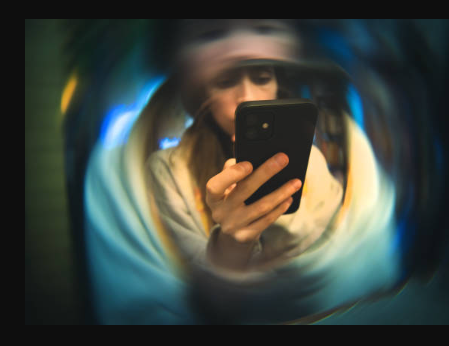
Late at night, you pick up your phone “just for a minute”… and before you know it, you’ve spent an hour scrolling through negative news, stressful updates, and endless social media content.
This habit has a name: doomscrolling.
While it may feel harmless, many people are now asking:
“Is doomscrolling affecting my brain?”
The answer is more serious than you might expect.
As an experienced neurosurgeon in Thane, Dr. Naren Nayak, explains, repeated exposure to negative content can impact brain function, mental clarity, and even long-term neurological health.
Quick Answer
Doomscrolling exposes the brain to continuous negative stimuli, which increases stress hormones like cortisol. Over time, this can affect memory, focus, sleep, and emotional regulation, and may contribute to long-term brain fatigue if not controlled.

What Is Doomscrolling?
Doomscrolling refers to the habit of continuously consuming negative or stressful online content, often without realizing how much time has passed.
Common examples:
- Scrolling through bad news repeatedly
- Watching distressing videos
- Constantly checking updates during stressful events
The brain stays in a constant “alert mode.”
Feeling Mentally Drained After Scrolling?
If your mind feels tired, unfocused, or overwhelmed,
Consult a neurosurgeon in Thane to understand if your brain health is being affected.
8 Hidden Effects of Doomscrolling on Your Brain

- Increased Stress Hormones
Constant negative input triggers cortisol release.
This keeps your brain in a prolonged stress state.
- Reduced Attention Span
Frequent scrolling:
- Trains your brain for short bursts of information
- Reduces deep focus ability
- Brain Fog and Mental Fatigue
Many people experience:
- Slowed thinking
- Difficulty concentrating
A common early warning sign.
- Sleep Disturbances
Late-night scrolling:
- Disrupts sleep cycles
- Reduces brain recovery time
- Emotional Overload
Too much negative content can:
- Increase anxiety
- Lead to irritability
- Memory and Cognitive Impact
Chronic stress affects:
- Memory retention
- Learning ability
- Reduced Brain Resilience
The brain becomes:
- More sensitive to stress
- Less capable of handling pressure
- Increased Risk of Long-Term Neurological Effects
Over time, chronic stress patterns may:
- Contribute to cognitive decline
- Increase vulnerability to neurological conditions
Don’t Let Screen Habits Affect Your Brain
Not sure if your symptoms are serious?
Get a neurological evaluation in Thane for clarity and peace of mind.
When Does Doomscrolling Become a Problem?
It becomes concerning when:
- You feel mentally exhausted daily
- Your focus and memory are affected
- Sleep quality is poor
- Anxiety levels increase
At this stage, it’s no longer just a habit, it’s affecting brain health.
When to See a Neurosurgeon in Thane
You should seek expert advice if:
- Brain fog persists for weeks
- Memory issues are increasing
- You experience confusion or headaches
- Symptoms interfere with daily life
Early evaluation helps rule out serious neurological concerns.
How to Protect Your Brain from Doomscrolling
Simple changes can help reset your brain:
- Limit screen time before bed
- Take digital breaks during the day
- Avoid negative content overload
- Practice mindfulness or relaxation techniques
- Focus on quality, not quantity of information
Small habits can significantly improve brain clarity.
Take Control of Your Brain Health Today
Your brain deserves care just like your body.
Consult a trusted neurosurgeon in Thane for personalized brain health guidance.
Why Choose Dr. Naren Nayak for Brain Health in Thane?
When symptoms affect your brain, expert guidance matters.
✔ Expertise in Neurological Conditions
Extensive experience in diagnosing brain-related symptoms and disorders
✔ Patient-Centric Approach
Focus on identifying root causes, not just symptoms
✔ Modern Diagnostic Approach
Advanced tools for accurate evaluation
✔ Trusted Neurosurgeon in Thane
Known for clear communication and patient-focused care
Conclusion
Doomscrolling may feel like a harmless habit, but over time, it can affect how your brain thinks, feels, and functions.
From reduced focus to mental fatigue and sleep disruption, the impact is real. The good news is that awareness and small lifestyle changes can help reverse these effects.
If you are experiencing persistent symptoms like brain fog, memory issues, or mental exhaustion, seeking expert advice can help you regain control and protect your long-term brain health.
Frequently Asked Questions
1. Can doomscrolling damage the brain?
While it may not cause direct structural damage immediately, chronic exposure to stress can affect brain function over time.
2. What are the early signs of doomscrolling affecting the brain?
Brain fog, reduced focus, poor sleep, and increased anxiety are common signs.
3. How much screen time is considered harmful?
Excessive and unregulated screen time, especially involving negative content, can impact brain health.
4. Can brain fog from doomscrolling be reversed?
Yes, with proper lifestyle changes and reduced screen exposure, symptoms can improve.
5. When should I see a neurosurgeon for brain-related symptoms?
If symptoms persist, worsen, or interfere with daily life, it is important to seek medical evaluation.