Deep Brain Stimulation in Thane
Introduction
Some illnesses don’t just touch the body—they can change the way a person lives each day. Disorders like Parkinson’s disease, dystonia, and essential tremors can impact movement, independence, and confidence, making even routine activities a challenge. For many individuals, medications may only provide partial relief or lose their effectiveness over time. At such stages, advanced treatments like Deep Brain Stimulation (DBS) can bring new possibilities.
According to the World Health Organization;
- Neurological disorders are one of the leading causes of disability worldwide
- Over 10 million people living with Parkinson’s disease alone
- In India, movement disorders are being recognized at earlier stages than ever before
Dr. Naren Nayak, an accomplished Neurosurgeon in Thane, says: “Living with a movement disorder is not just about tremors or stiffness, it often means giving up independence, struggling with confidence, and losing control over basic daily activities. Deep Brain Stimulation opens a door to restore these aspects, often when other treatments have reached their limit.”
Respected and trusted widely for his expertise and compassionate guidance, Dr. Naren Nayak is a highly sought-after neurosurgeon for Deep Brain Stimulation in Thane.
But how exactly does this treatment work, and why is it becoming a life-changing solution for many? Let’s explore further…
What is Deep Brain Stimulation (DBS)?
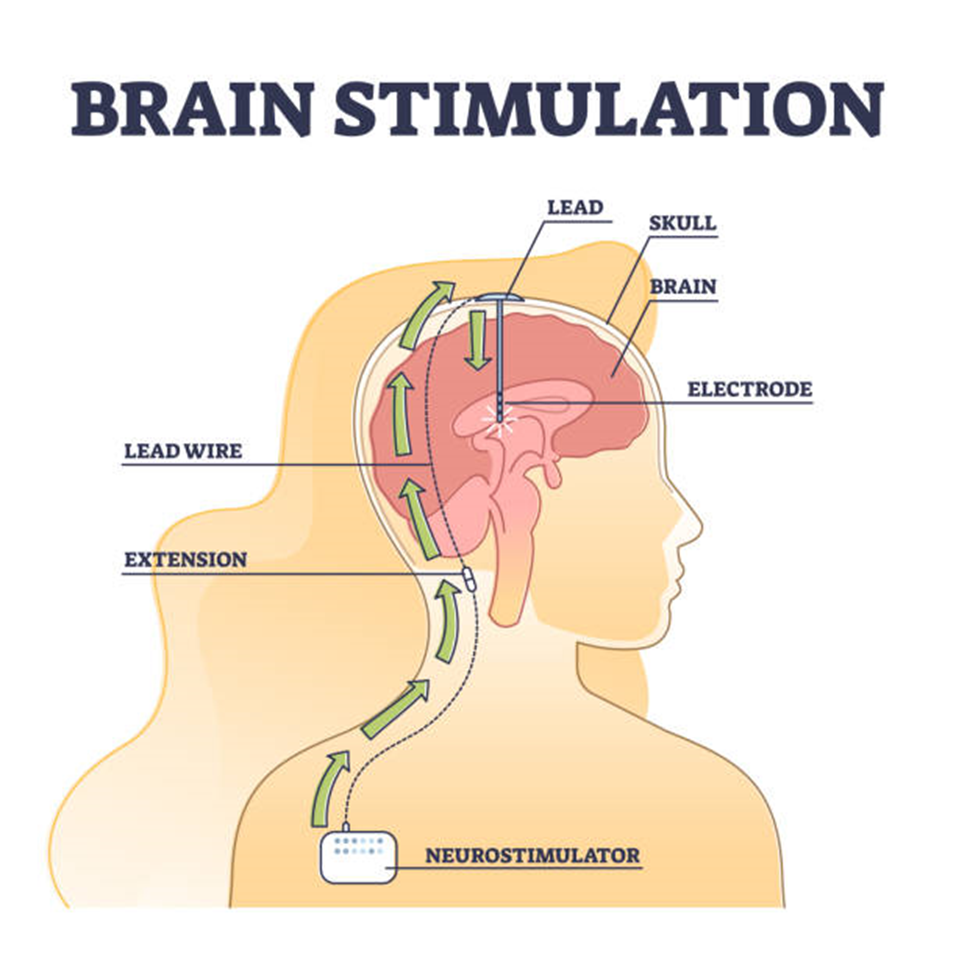
DBS is an advanced neurosurgical procedure that involves implanting a small medical device, similar to a pacemaker, into the brain. This device sends controlled electrical impulses to specific brain regions responsible for movement, helping to regulate abnormal signals.
Here’s how it works in simple terms:
Electrodes Placement: Tiny electrodes are implanted in the target areas of the brain.
Pulse Generator: A battery-powered device is placed under the skin near the chest, which sends signals to the electrodes.
Signal Control: The impulses modify abnormal brain activity, leading to smoother and more controlled body movements.
This technology is not a cure but a treatment that significantly reduces symptoms like tremors, rigidity, stiffness, and involuntary movements.
Searching for ‘deep brain stimulation surgery near me’ usually comes from a place of hope. To make an informed choice, let’s look at the conditions where DBS has shown the most impact
Who Can Benefit from DBS?
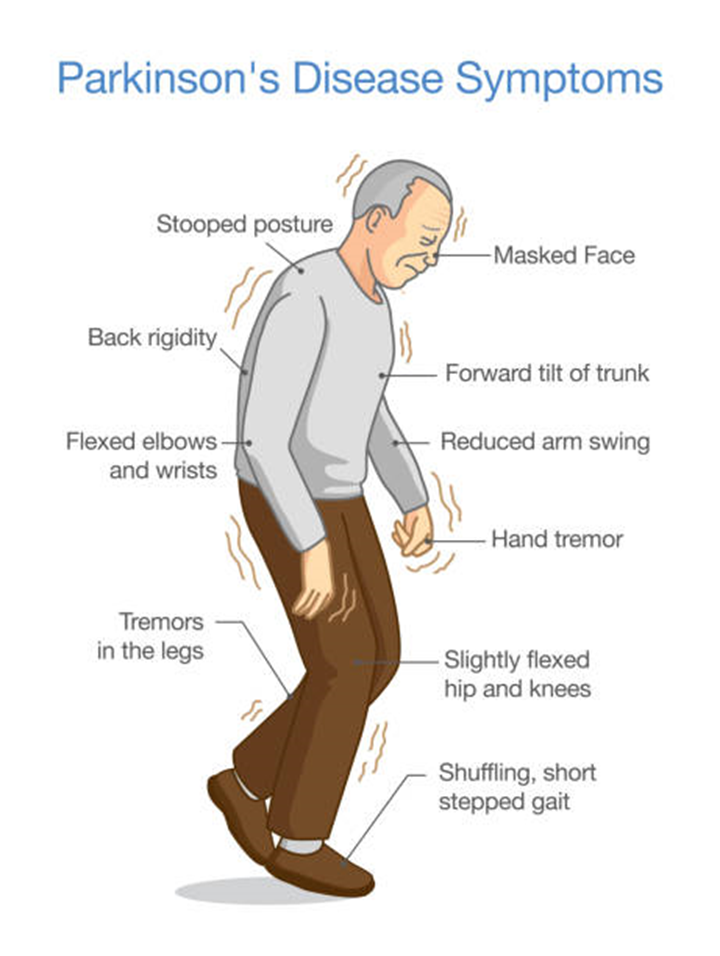
DBS is usually recommended for patients who have not achieved sufficient relief through medication or whose medications cause severe side effects. It is particularly effective for certain conditions:
Parkinson’s Disease: People with Parkinson’s often experience tremors, stiffness, and difficulty with mobility. A Parkinson’s brain stimulator surgery can help restore smoother movement and reduce drug dependency.
Essential Tremor: For patients struggling with uncontrollable shaking, DBS can dramatically reduce tremors.
Dystonia: In cases where muscle contractions cause twisting movements, DBS can bring relief.
Other Neurological Disorders: Some patients with epilepsy or obsessive-compulsive disorder may also be considered for DBS when conventional therapies fail.
Dr. Naren Nayak, a renowned Professor of Neurosurgery in Thane, explains: “Not every patient with tremors or rigidity is a candidate for DBS. A detailed evaluation is necessary to confirm eligibility, ensuring both safety and the highest chance of improvement. The goal is to carefully match the treatment to the individual’s needs.”
Wondering what makes this option so valuable? Let’s break down the benefits that DBS can bring to a patient’s life.
Benefits of DBS
For individuals who qualify, the benefits of DBS are often life-changing. Here are some of the most significant advantages:

Improved Motor Function: Patients often regain smoother and more controlled movements.
Reduced Medication Dependency: Many patients can lower their medication dosage, reducing side effects such as nausea, fatigue, or involuntary movements.
Enhanced Quality of Life: Everyday activities—from writing to walking—become easier and more manageable.
Customizable Treatment: The device can be programmed and adjusted externally, allowing personalized symptom control.
Reversibility: Unlike some surgeries, DBS is adjustable and reversible, which adds an additional layer of safety.
Dr. Naren Nayak, a distinguished Neurosurgeon in Thane, notes: “What makes DBS truly remarkable is its adaptability. The system can be fine-tuned even after surgery, ensuring patients receive ongoing support as their condition evolves.”
Now that we’ve seen its potential, let’s understand what actually happens during the procedure.
The DBS Procedure
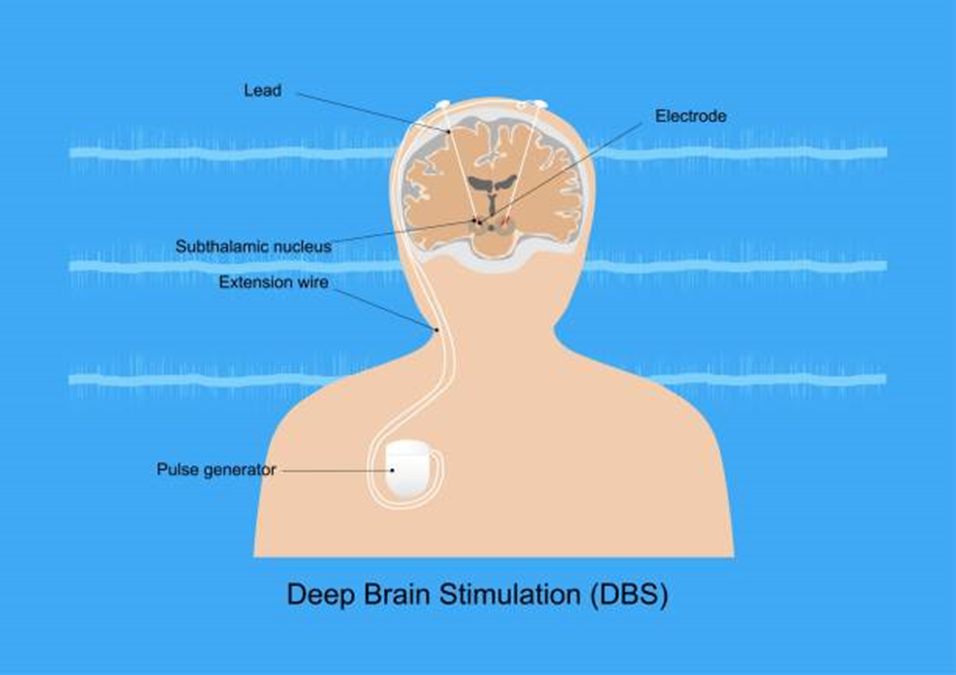
The DBS procedure is performed in carefully planned steps:
Pre-Surgical Evaluation: Patients undergo brain imaging, neurological exams, and assessments to confirm eligibility.
Electrode Placement: Using advanced imaging and navigation, electrodes are precisely placed in targeted brain regions.
Implanting the Generator: A small device (neurostimulator) is implanted under the skin of the chest and connected to the electrodes.
Programming the Device: After recovery, the device is programmed to deliver controlled impulses tailored to the patient’s needs.
Follow-up Care: Regular adjustments ensure maximum benefit and long-term effectiveness.
The surgery is typically safe, and many patients notice significant improvements within weeks of activation.
While DBS offers remarkable results, it’s equally important to understand the potential risks.
Risks and Considerations
Like any surgical intervention, DBS has certain risks. Patients should be aware of possible concerns before proceeding:
Surgical Complications: Infection, bleeding, or device-related issues can occur, though these are uncommon.
Device-Related Problems: Over time, battery replacements or hardware adjustments may be needed.
Neurological Side Effects: Mood changes, temporary tingling, or speech difficulties can occur but are usually manageable.
Eligibility Concerns: Patients with advanced medical conditions may not be suitable candidates.
Dr. Naren Nayak, an experienced Functional Neurosurgeon in Thane, emphasizes: “In DBS, the benefits must always outweigh the risks. A thorough evaluation, careful planning, and expert execution make it a highly rewarding treatment option for eligible patients.”
Worried about safety or possible complications? Seek an in-person assessment with a qualified neurosurgeon to review your medical history, weigh risks versus benefits, and make an informed decision together.
So why should patients consider Dr. Naren Nayak for Deep Brain Stimulation in Thane? Let’s take a closer look.
Why Choose Dr. Naren Nayak for DBS?
When it comes to something as delicate as brain surgery, expertise and compassion are both crucial. Dr. Naren Nayak brings a rare combination of both:
Extensive Experience: Over 15 years in neurosurgery, with hundreds of complex procedures performed.
Global Training: Fellowship in Functional Neurosurgery in Japan, specialized trauma care training at NIMHANS.
Pioneer in DBS: Co-founded one of the first dedicated DBS programs in Mumbai, ensuring patients access the latest technology.
Academic Leadership: Professor of Neurosurgery, mentoring young doctors and contributing to global research.
Patient-Centric Approach: Known for blending surgical excellence with empathy, guiding patients through every step of their journey.
Still have questions? Let’s address some of the most common concerns.
Frequently Asked Questions
1. Is Deep Brain Stimulation a permanent cure for Parkinson’s disease?
No. DBS is not a cure, but it significantly improves quality of life by managing symptoms and reducing medication needs.
2. How long does the DBS device last?
The non-rechargeable battery typically lasts between 5 to 6 years, depending on current requirements. Rechargeable systems last longer, 20–25 years.
3. Can DBS affect memory or thinking abilities?
In most cases, DBS does not negatively impact cognitive function. Proper patient selection minimizes such risks.
4. How soon can patients resume normal activities after DBS surgery?
Most patients return to daily routines within a few weeks, though recovery timelines vary depending on overall health.
5. What makes DBS different from other surgical treatments for movement disorders?
Unlike permanent lesion-based surgeries, DBS is adjustable and reversible, offering flexibility and long-term adaptability.
Disclaimer: The information shared in this content is for educational purposes only and not for promotional use.