
Epilepsy Neurosurgery in Thane

Epilepsy is a neurological disorder that is manifested by recurring seizures, and thus, it can be a problem that deeply affects the life of a person. In most cases, the medication works well to control the seizures. On the other hand, some patients are plagued by seizures that are drug therapy resistant, and thus, their daily life can be a nightmare. Neurosurgery for epilepsy is one option in such instances that can make seizure control and thus improving quality of life possible. Epilepsy Neurosurgery in Thane provides the patients with cutting-edge surgical options that act directly on the brain’s seizure-generating area and offer long-term relief.

Dr. Naren Nayak, who is an eminent neurosurgeon in Thane, treats difficult cases of epilepsy with utmost precision and care. He has a rich experience of over 15 years in the field and Dr. Nayak gives tailored treatment plans to those epilepsy patients who are going to have surgery. His proficiency in performing epilepsy surgeries in Thane guarantees that every patient gets the best possible treatment corresponding to their problem, hence, their chances of controlling seizures successfully will be increased.
Who Needs Epilepsy Surgery?

Drug-Resistant Epilepsy:
Frequent Seizures
Seizure Focus in a Localized Area
Candidates for Surgery
Types of Epilepsy Neurosurgery
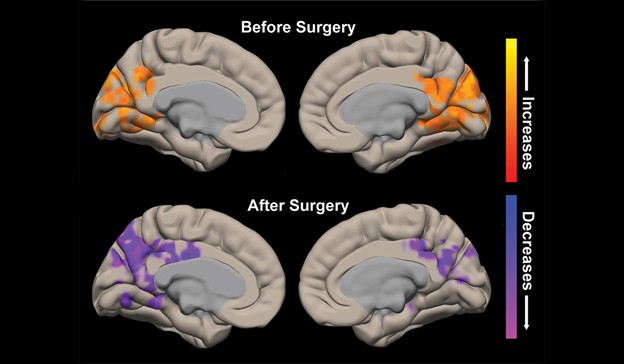
Temporal Lobe Epilepsy Surgery
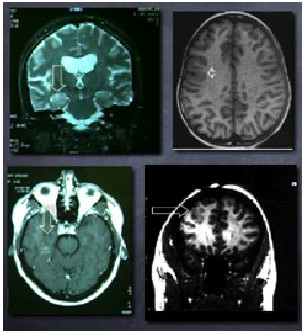
Lesionectomy
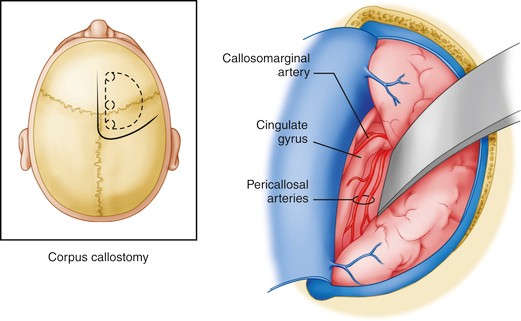
Corpus Callosotomy
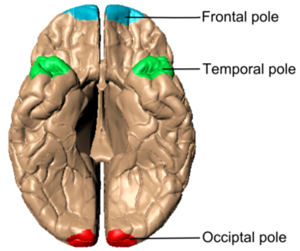
Hemispherectomy
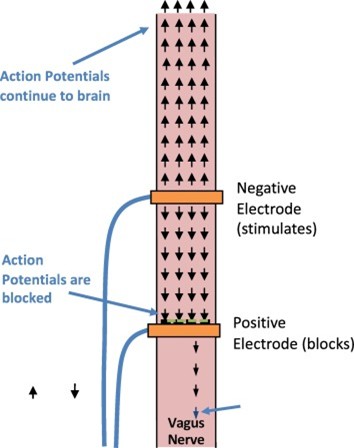
Vagus Nerve Stimulation (VNS)
Types of Epilepsy Neurosurgery
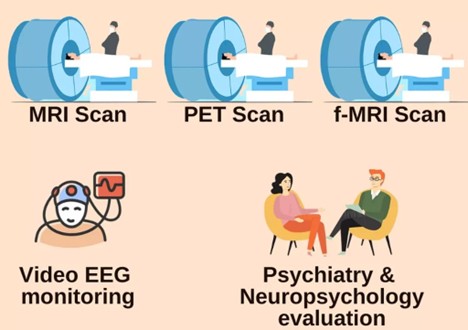
Video-EEG Monitoring: This is a complete, uninterrupted monitoring of brain activity with the purpose of pinpointing the exact source of seizures.
MRI and CT Scans: These are imaging methods that don't involve invasion and that show the brain in different aspects, enabling the determination of the presence of an abnormal structure that is capable of producing seizures.
Neuropsychological Testing: This procedure is necessary to find out the patient's mental capacities and the brain's activity which will be used in planning the surgery.
Functional MRI (fMRI): Mapping of brain regions that perform basic functions such as moving, speaking, and remembering is the application of this technique.
Epilepsy Surgery Procedure
1. Pre-Surgical Planning
2. Anesthesia
3. Surgical Approach
4. Post-Surgery Monitoring
Benefits of Epilepsy Neurosurgery
Seizure Control
Improved Quality of Life:
Reduced Dependence on Medication
Long-Term Relief
Interested in the life-changing benefits of epilepsy surgery? Book your consultation today to explore your options for lasting seizure relief.
Risks & Complications
Infection
Cognitive or Memory Changes
Speech or Motor Function Impairment
Seizure Recurrence
While surgery reduces the frequency of seizures, some patients may still experience occasional seizures.
Recovery after Epilepsy Neurosurgery
Initial Recovery
Gradual Return to Normal Activities
Follow-Up Care
Our Approach
Patient-Centered Care
Advanced Technology
Comprehensive Support
Why Choose Dr. Naren Nayak for Epilepsy Surgery?
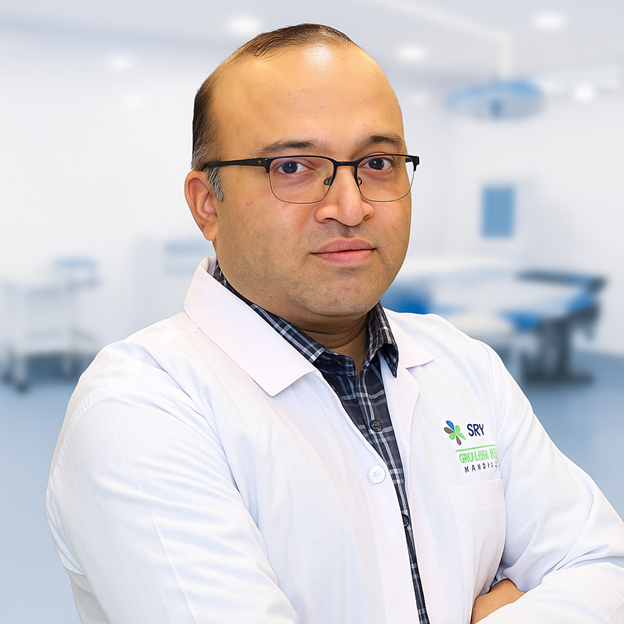
Over 15 years of experience in neurosurgery.
Personalized care and treatment plans tailored to your condition.
Commitment to providing the latest and most effective surgical treatments.
Frequently Asked Questions
1. What is epilepsy neurosurgery?
2. Who is a candidate for epilepsy surgery?
3. What are the risks of epilepsy surgery?
4. How long does it take to recover from epilepsy surgery?
5. Is epilepsy surgery successful?
6. How soon will I feel relief after surgery?
Disclaimer: The information shared in this content is for educational purposes only and not for promotional use.