Radio Frequency Lesioning Treatment in Thane, Dr. Naren Nayak
Radio frequency lesioning is a pretty precise neurosurgical technique that’s been making waves as a targeted treatment for a variety of brain issues—from chronic pain syndromes to movement disorders. This minimally invasive procedure uses radiofrequency energy in a controlled way to create very specific lesions in parts of the brain, giving real relief to folks who haven’t had luck with standard treatments. Sure, radio frequency procedures are available throughout Thane for all sorts of medical needs, but brain lesioning? That’s a different ballgame and definitely calls for a neurosurgeon’s touch.
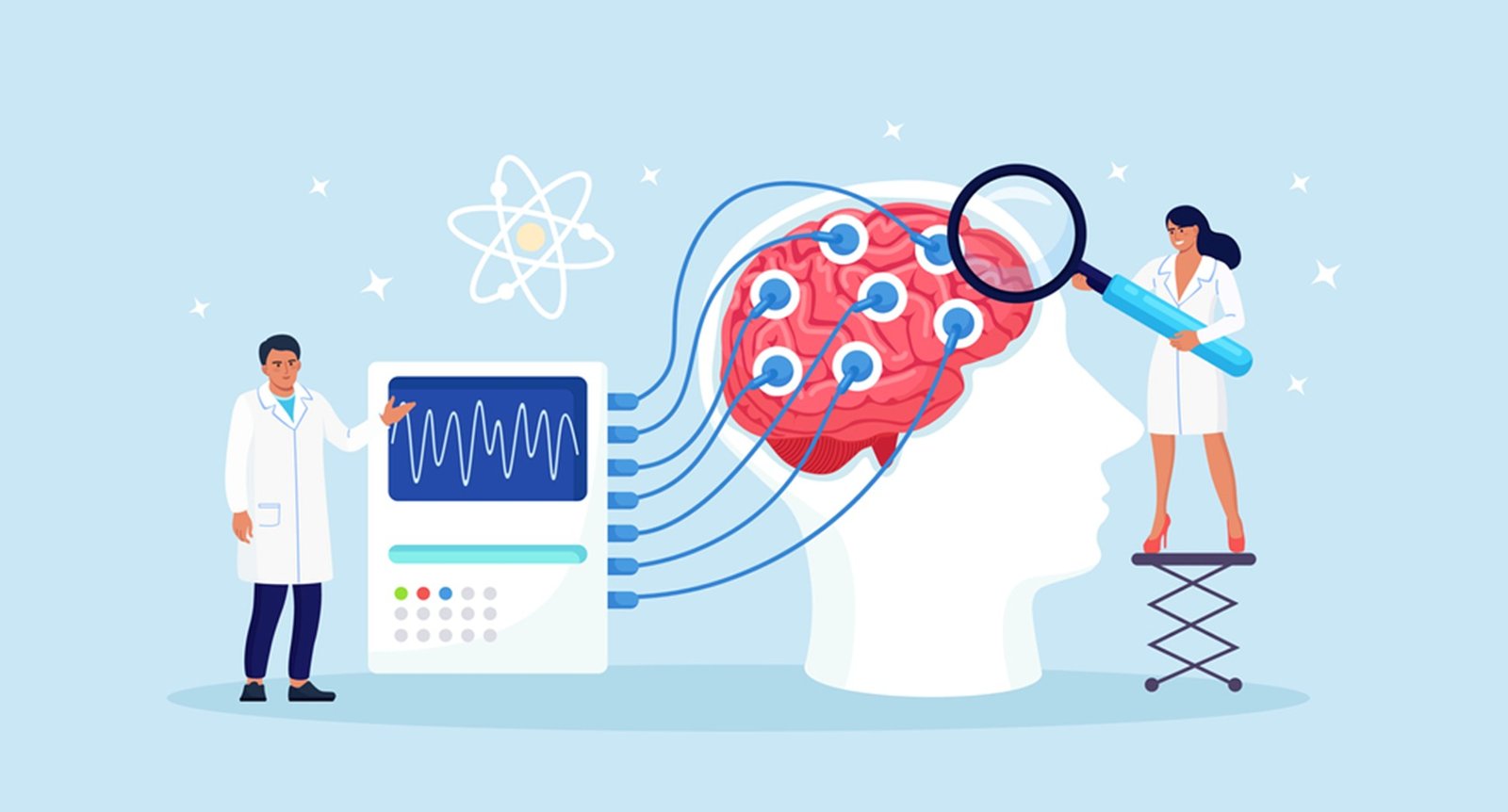
Dr. Naren Nayak brings a deep well of neurosurgical experience, especially focused on brain procedures to patients in KIMS Hospital – Thane, offering this advanced option for carefully chosen cases. Unlike the broader use of radio frequency in dermatology or pain clinics, brain lesioning is all about knowing the brain’s wiring inside out and having the steady hands to target just the right neural pathways while leaving healthy tissue alone.
Understanding Radio Frequency Lesioning for the Brain
Radio frequency lesioning uses carefully controlled heat to create pinpointed, targeted damage in certain brain regions. This approach can be a real game-changer for movement disorders or chronic pain when meds just aren’t cutting it.
What Is Radio Frequency Lesioning?
In a nutshell, radio frequency lesioning is a minimally invasive neurosurgical technique using controlled thermal energy to tackle neurological conditions. With specialised equipment, we deliver precise radio waves to the exact brain areas that need attention.
The whole thing involves sliding a thin electrode through a tiny opening in the skull. That electrode hooks up to a radiofrequency generator, which produces heat just where it’s needed. The result? Small, permanent lesions in the brain structures causing trouble.
Some key points:
Minimally invasive (no big cuts)
This isn’t something you’ll find just anywhere—it’s done in specialised neurosurgical centres with advanced imaging. Planning is a big deal, too; MRI or CT scans help us nail down the exact spots to target.
Recovery is usually pretty quick. Most folks are home within a day or two after the procedure.
Mechanism of Action in Brain Procedures
Radiofrequency lesioning uses heat to create small, controlled damage in brain tissue. The energy at the tip of the electrode reaches temperatures between 60-90°C—hot enough to do the job, but not more than necessary.
This controlled heat destroys the abnormal neural pathways that are causing symptoms. The lesion interrupts faulty signals, but leaves the healthy brain tissue nearby untouched (which is pretty amazing, honestly).
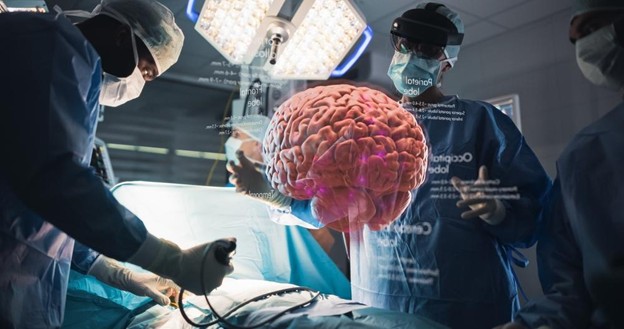
| Stage | Duration | Temperature | Effect |
| Positioning | 10-15 minutes | Body temperature | Electrode placement |
| Testing | 5-10 minutes | Low heat | Verify location |
| Lesioning | 60-90 seconds | 60-90°C | Tissue destruction |
Conditions Treated with Brain Lesioning
Most often, we treat:
- Essential tremor
- Parkinson’s disease symptoms
- Dystonia
- Chronic neuropathic pain
- Trigeminal neuralgia
Essential tremor, for instance, tends to respond really well to thalamic lesioning. We usually target the ventral intermediate nucleus to get those hand tremors under control.
Parkinson’s symptoms can improve with pallidotomy. Lesioning the globus pallidus helps with stiffness and slowness in some Parkinson’s and dystonia cases.
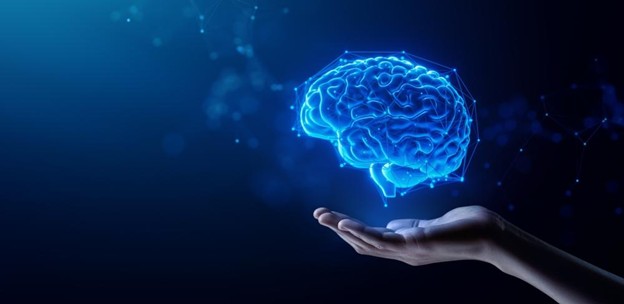
For chronic pain, we go after the pain-processing pathways—sometimes in the thalamus, sometimes elsewhere, depending on what’s going on.
We don’t just jump into this for everyone. Patient selection is key—medication resistance, suitable anatomy, and realistic expectations all play a part. Every case gets a thorough look before we decide on the best route here in Thane.
Advantages of Brain Radio Frequency Lesioning
Brain radiofrequency lesioning lets us treat neurological issues with pinpoint accuracy, using controlled heat and causing very little disruption to the rest of the brain. It’s a high-tech approach with a strong safety record, and it’s helped a lot of people get real relief from tough neurological conditions.
Minimally Invasive Nature
There’s no need for big incisions here—just a tiny one, usually less than 5mm. We insert a slim electrode through a small burr hole, so there’s no need for major surgery or large craniotomies.
Some of the main perks:
- Usually a single-day outpatient procedure
- Local anaesthesia with conscious sedation (you’re not knocked out cold)
- Little to no scarring or visible marks
- Lower infection risk than open surgery
Because we’re so precise with targeting (real-time imaging helps a lot), most of the healthy brain tissue stays untouched. We can position the electrode within a millimetre or two of where it needs to be.
Recovery is much faster than with traditional neurosurgery. Most people are back to their usual routine in a day or two, and full recovery is often within a week. Not bad, right?
Safety and Effectiveness
Radiofrequency lesioning has a solid safety record—complications are rare, especially in experienced hands (less than 2% chance). The heat is controlled and predictable, usually kept between 60-80°C.
Why it’s safer:
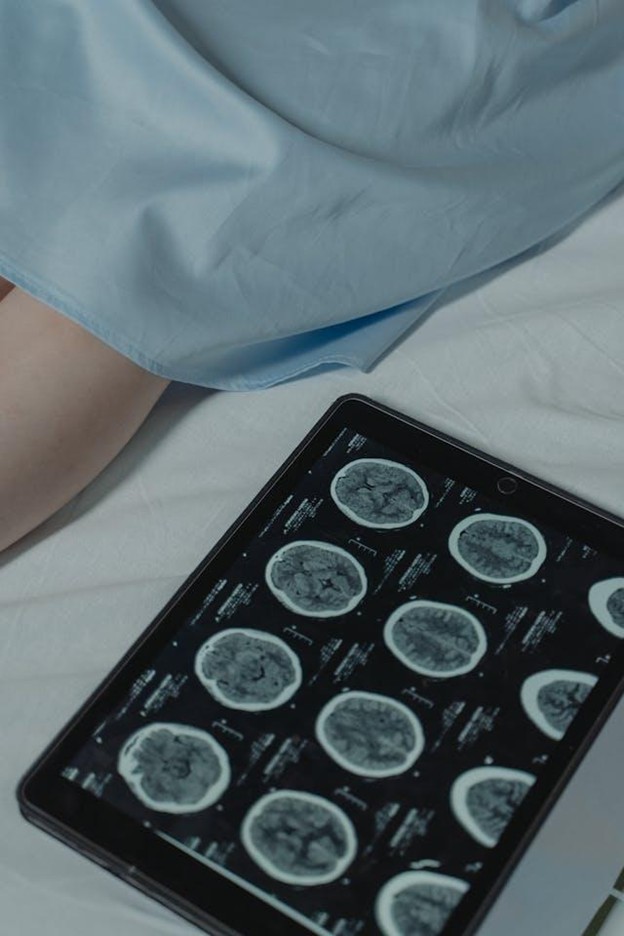
- We can do test stimulation before making a permanent lesion
- Temperature is monitored in real time
- We control exactly how big the lesion gets
- Minimal bleeding risk
Research shows brain disease-modifying effects of radiofrequency via targeted neural modulation. We can even test how effective it is before making anything permanent.
Long-term success rates are impressive—over 80% for things like trigeminal neuralgia and movement disorders. We get these results by sticking to standardised protocols and using advanced imaging for accuracy.
Pain Relief and Symptom Control
One of the biggest wins? Immediate and long-lasting relief for chronic neurological pain. The procedure interrupts pain signals by creating controlled lesions right where the trouble is.
Here’s what patients usually notice:
- Pain drops off fast—90% see immediate relief
- Relief is sustained and long-lasting
- Most people can cut back on meds
- Quality of life scores go up
For movement disorders, we’re able to target just the right brain regions to dial down tremors and involuntary movements, without messing up normal motor function.
If symptoms come back, repeat procedures are possible. Since it’s minimally invasive, we can do this more than once without stacking up surgical risks.
Dr. Naren Nayak: Expertise in Neurosurgical Brain Lesioning
Dr. Naren Nayak is known for his specialised skills in advanced brain lesioning, bringing years of neurosurgical experience and the latest tech to patients in Thane. His approach is all about precision for movement disorders, but he never loses sight of patient care and comfort.
Experienced Specialist and Expert in Movement Disorders
Dr. Naren Nayak a leading neurosurgeon in Thane, has built a reputation as specialising in movement disorders at KIMS Hospital in Thane. He goes beyond the usual surgical playbook, using innovative radio frequency lesioning techniques for tough brain disorders.
He’s especially known for Parkinson’s disease treatment, tremor management, and other movement-related neurological conditions. People trust his expertise in both surgical and non-surgical options for complex brain issues.

He’s comfortable with all sorts of advanced procedures, including:
- Deep brain stimulation surgery
- Radio frequency ablation
- Focused ultrasound treatments
- Precision lesioning for tremor control
His work at KIMS Hospital Thane shows a clear commitment to bringing top-tier neurosurgical care to the local community. Patients benefit from his detailed knowledge of brain anatomy and what makes movement disorders tick.
Personalised Treatment Plans and Patient-Centred Approach
Dr. Nayak’s style is all about treating the individual. Every patient gets a thorough assessment before he recommends brain lesioning. We’ve seen his careful approach—he considers all the patient-specific details before jumping in.
He relies on modern imaging and thorough diagnostics to get a clear picture. Each treatment plan is tailored to the patient’s unique symptoms and medical history.
The consultation usually covers:
- Detailed neurological exam
- Looking over what’s been tried before
- Discussing both surgical and non-surgical options
- Clear, honest talk about what to expect
Patient feedback consistently highlights his thoroughness and the way he builds confidence. He doesn’t just treat symptoms—he cares about overall wellbeing.
Treatment decisions are a team effort, balancing patient preferences with clinical needs. That way, outcomes are better and patients feel heard.
Comprehensive Care
It’s pretty clear Dr. Nayak is committed to seeing patients through every stage of the process. His practice covers everything—from the first assessment to surgery and all the way through recovery.
This comprehensive model involves multidisciplinary teamwork when needed, so patients get holistic care for their neurological conditions.
Here’s how it usually breaks down:
|
Care Phase |
Services Provided |
|
Pre-operative |
Detailed assessment, imaging, planning |
|
Surgical |
Precision lesioning, monitoring |
|
Post-operative |
Recovery tracking, follow-up care |
He uses up-to-date tech for radio frequency lesioning, which helps with precise targeting and keeps risks low for the rest of the brain.
He’s also big on long-term relationships—regular follow-ups make sure everything’s working and any new concerns are handled quickly.
Treatment Proceure: What to Expect
We walk patients through a step-by-step approach, starting with a thorough evaluation and moving on to detailed planning. Each stage is designed to get the best results while taking your specific neurological needs into account.
Initial Consultation and Evaluation
When you book appointment with our Thane clinic, we’ll do a deep dive into your neurological health. That means going over your medical history, current symptoms, and any previous scans.
Here’s what the evaluation usually includes:
- Clinical examto check neurological function
- Pain assessmentusing standard scales
- Review of MRI or CT scansto find the right target areas
- Talking through your symptomsand how they affect your life
We’ll figure out if radio frequency lesioning is a good fit for you. If it’s not, we’ll talk through other options.

Pre-op blood work
and maybe a heart check might be needed. We make sure you know the pros, the cons, and what to expect.
Bring your questions—we’re happy to answer them and make sure you’re comfortable with the plan before moving forward.
Detailed imaging review
is really at the heart of how we pinpoint the exact target spots in brain tissue. We rely on some pretty advanced techniques to figure out the safest way to get to your lesion—no guesswork here, but also, it’s never a one-size-fits-all approach.
Before your procedure, here’s what usually goes on:
- Medication adjustmentsif needed (sometimes we tweak things, sometimes not)
- Fasting instructionsfor the day of your procedure
- Sorting out post-procedure transport—you’ll definitely want a ride home
- Getting all the necessary equipment ready—tailored to your specific case
Anaesthetic planning
is something we coordinate closely with our anaesthesia team. Most RF lesioning procedures just need local anaesthesia plus some sedation—nothing too heavy, but enough to keep you comfortable.
The procedure itself gets scheduled at our Thane facility, and we try to fit it around your schedule and how urgent things are. You’ll get all the pre-op instructions about a day or two before your appointment—never too early, but not last-minute either.
Equipment calibration
and safety checks? We actually get all that sorted before you even arrive. It’s a bit obsessive, but it’s what keeps things precise and safe during the radio frequency lesioning.
Aftercare and Recovery Following Brain Lesioning
Honestly, good post-procedure care makes all the differene. We’re pretty systematic about monitoring, since that’s really what sets the stage for a solid recovery. First comes the immediate neurological check, then we keep up with structured long-term follow-up.
Immediate Post-Procedural Care
We keep a close eye on you in our recovery unit for the first 4-6 hours after radio frequency lesioning. We’re always on the lookout for signs of bleeding or swelling inside the skull. If there’s a headache, nausea, or any confusion, we jump on it right away.
Discharge criteria are pretty clear:
- Stable neurological exam
- Vital signs normal for at least two hours
- You can walk on your own
- No signs of bleeding or infection
Most folks head home the same day. We’ll send you off with detailed instructions for wound care and what to avoid for the first couple of days.
Long-Term Results and Monitoring
We set up follow-up visits at specific intervals to check how things are going and catch any late issues. The first review is usually within a week of your procedure.
Follow-up timeline looks like this:
- Week 1: Check the wound and do a neurological exam
- Month 1: Clinic visit to talk about symptoms
- Month 3: Thorough neurological check
- Month 6 and then yearly: Long-term outcome review
Most people start noticing improvement within 2-4 weeks. We use standard rating scales to measure how much symptoms have eased—sometimes it’s obvious, sometimes more subtle.
Frequently Asked Questions
1. How does Radio Frequency Lesioning help with brain disorders?
2. Will I be awake during the procedure?
3. How soon will I notice results?
4. Is Radio Frequency Lesioning a permanent cure?
5. What should I expect after the procedure?
Disclaimer: The information shared in this content is for educational purposes and not for promotional use.