
Stereotactic Biopsy in Thane
A stereotactic biopsy in Thane is a minimally invasive neurosurgical procedure used to obtain tissue samples from abnormal areas of the brain for accurate diagnosis. It is commonly recommended when a brain lesion or tumor is located deep inside the brain and cannot be safely removed during initial surgery. If you are looking for stereotactic biopsy, Best Neurosurgeon in Thane Dr. Naren Nayak offers advanced diagnostic neurosurgical care using modern technology to precisely target brain lesions while minimizing risks.
The procedure helps doctors determine whether a lesion is benign, malignant, infectious, or inflammatory, allowing them to plan the most effective treatment.

Understanding Stereotactic Biopsy
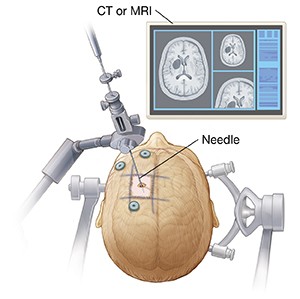
A stereotactic biopsy is a specialized brain biopsy technique that uses advanced imaging guidance such as MRI or CT scans to locate abnormal brain tissue. Using a computer-guided system, the neurosurgeon inserts a thin biopsy needle through a small opening in the skull to collect a tiny tissue sample.
This procedure is particularly useful for diagnosing:
- Brain tumors
- Deep-seated brain lesions
- Brain infections
- Inflammatory neurological diseases
- Lymphoma or metastatic tumors
The collected tissue is then examined under a microscope to confirm the exact diagnosis.
Conditions That Require a Stereotactic Biopsy
A neurosurgeon may recommend a stereotactic biopsy in thane when imaging tests show abnormalities in the brain but the exact nature of the lesion is unclear.
Common situations where this procedure is required include:
- Suspicious brain tumor detected on MRI or CT scan
- Brain lesions located in critical or deep areas
- Cases where complete surgical removal is not immediately possible
- When doctors need confirmation before starting radiation or chemotherapy
Because it is minimally invasive, it is often preferred over open brain surgery for diagnostic purposes.
Procedure of Stereotactic Biopsy
The stereotactic biopsy in Thane procedure involves several carefully planned steps to ensure accuracy and safety.
Pre-Surgical Imaging
MRI or CT scans are performed to locate the exact position of the lesion in the brain.
Stereotactic Frame or Navigation System
A specialized stereotactic system or frameless navigation technology is used to guide the surgeon precisely to the target area.
Small Skull Opening
A small hole is made in the skull under local or general anesthesia.
Tissue Sample Collection
A thin biopsy needle is inserted to collect small tissue samples from the lesion.
Laboratory Analysis
The collected tissue is examined by pathologists to determine the exact nature of the disease.
The entire procedure usually takes 1 to 2 hours, and most patients recover quickly.
Benefits of Stereotactic Biopsy
Stereotactic biopsy in Thane offers several advantages compared to traditional surgical biopsies.
Key benefits include:
- Minimally invasive procedure
- Highly accurate diagnosis
- Smaller incision and minimal scarring
- Shorter hospital stay
- Faster recovery
- Lower surgical risk
These benefits make stereotactic biopsy one of the most reliable methods for diagnosing complex brain conditions.
Recovery After Stereotactic Biopsy
Recovery after a stereotactic brain biopsy is usually quick because the procedure involves only a small incision.
Most patients can expect:
- Short hospital stay (usually 1 day)
- Mild headache or discomfort for a few days
- Return to normal activities within a few days
Your neurosurgeon will provide detailed post-procedure instructions and schedule follow-up visits to discuss biopsy results.
Stereotactic Biopsy Cost in Thane
The cost of stereotactic biopsy in Thane can vary depending on the hospital, imaging technology used, and the complexity of the case.
On average, the cost ranges between: ₹3,00,000 to ₹4,00,000
Despite using advanced technology, the cost of stereotactic biopsy in Thane remains significantly more affordable compared to many international centers while maintaining high standards of care.
Why Choose Dr. Naren Nayak for Stereotactic Biopsy in Thane?

Dr. Naren Nayak is a highly experienced neurosurgeon in Thane specializing in the diagnosis and treatment of complex brain conditions.
Patients choose Dr. Nayak because of:
- Extensive experience in advanced neurosurgical procedures
- Expertise in minimally invasive brain surgery
- Use of modern stereotactic navigation systems
- Patient-focused treatment approach
- Accurate diagnosis leading to effective treatment planning
With a strong commitment to precision and patient safety, Dr. Nayak ensures that every patient receives the best possible care.
Still have questions? Let’s address some of the most common concerns.
Frequently Asked Questions
What is the purpose of a stereotactic biopsy?
A stereotactic biopsy helps doctors diagnose brain abnormalities by collecting tissue samples from suspicious areas of the brain using advanced imaging guidance.
Is stereotactic biopsy a major surgery?
No. A stereotactic biopsy is considered a minimally invasive neurosurgical procedure because it requires only a small opening in the skull and involves less risk than open brain surgery.
How long does stereotactic biopsy take?
The procedure typically takes 1 to 2 hours, depending on the location of the brain lesion.
Is stereotactic biopsy safe?
Yes. When performed by an experienced neurosurgeon using advanced technology, stereotactic biopsy is considered a safe and highly accurate diagnostic procedure.
When will I get the biopsy results?
Biopsy results are usually available within 3 to 7 days, depending on laboratory testing and analysis.