
Thalamotomy: Brain Thalamus Surgery for Tremors in Thane
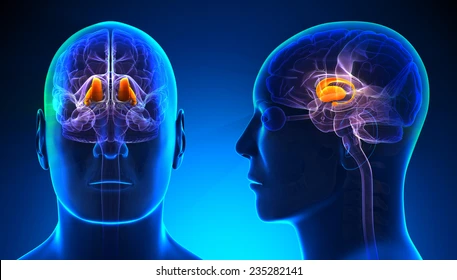
Tremors are involuntary, rhythmic muscle movements that cause shaking or trembling, often affecting the hands, arms, or head. While occasional tremors are common, extreme or persistent tremors can be debilitating, making everyday tasks like eating, writing, and walking increasingly difficult. These uncontrollable shakes can be a symptom of several neurological conditions, including essential tremor and Parkinson’s disease.
For many patients, traditional treatments like medication or physical therapy may not provide enough relief, and the tremors continue to interfere with their quality of life. In such cases, thalamotomy can be a life-changing option. According to Dr. Naren Nayak, recognized as one of the best neurosurgeons in Thane, “Thalamotomy provides a highly effective solution for individuals suffering from tremors that have not responded to medication. It helps restore normal functioning and provides a long-term reduction in symptoms.”
Dr. Naren Nayak has over 15 years of experience in performing intricate neurosurgical procedures, including thalamotomy: brain thalamus surgery for tremors in Thane. With advanced training in India and a fellowship in Functional Neurosurgery in Japan, Dr. Nayak has performed numerous thalamotomies to treat complex movement disorders. His expertise, combined with his commitment to patient care, makes him a trusted choice for individuals seeking treatment for extreme tremors.
Curious how this procedure works and who benefits the most? Let’s break it down.
What is Thalamotomy?

Thalamotomy is a precise neurosurgical procedure that targets the brain thalamus to treat severe tremors. The thalamus is a vital structure that regulates motor signals and coordinates muscle movements. In patients with conditions like essential tremor or Parkinson’s disease, abnormal signals from the thalamus cause uncontrollable shaking.
During thalamotomy, a small, carefully controlled lesion is created in the thalamus to disrupt these tremor-causing signals. This helps reduce the intensity of tremors, allowing patients to regain better control over their movements and improve daily functionality.
Best Treatment for Essential Tremor in Thane

When medication and physical therapy fail to control essential tremors, thalamotomy is considered one of the most effective treatments available. While medication can help reduce tremor symptoms, it often comes with side effects and limited efficacy in advanced cases. Thalamotomy offers a more permanent solution for patients, providing substantial relief from tremors and improving the quality of life.
Dr. Nayak, with his extensive training and experience, recommends thalamotomy as the best treatment for patients who have not responded to traditional therapies. His patient-centric approach ensures personalized care and optimal outcomes for those suffering from essential tremor.
Wondering if thalamotomy is the right option for you? Let’s discuss when surgery is recommended.
Extreme Tremors and When to Consider Surgery
Intense tremors can seriously impact daily activities, from writing to eating and even walking. Abnormal movements can not only influence physical well-being, but they can also be responsible for emotional issues and social isolation. When the tremors are no longer managed by drugs or non-surgical treatments, surgery like thalamotomy is considered.
Dr. Nayak carefully investigates every patient to determine if thalamotomy is the appropriate choice. For patients severely affected by tremors in their daily lives, surgery offers the greatest potential for significant relief.
Role of the Brain Thalamus in Tremor Control

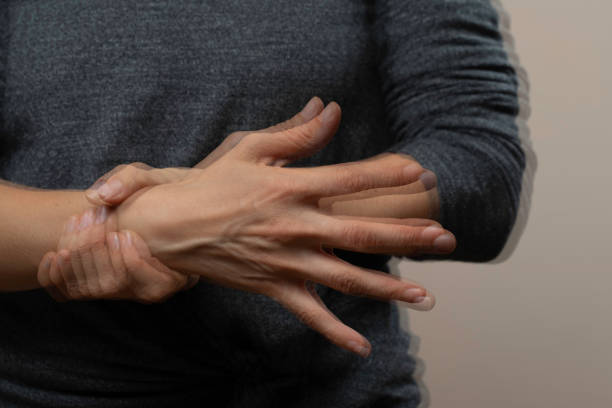
The brain thalamus coordinates motor function and controls movement. In patients with tremors, the thalamus can become overactive, passing errant impulses to muscle tissue, leading to uncontrolled shaking. During thalamotomy surgery, doctors can selectively target specific thalamic areas to interrupt errant impulses, resulting in reduced tremors and improved motor function.
The precision of thalamotomy ensures that only those parts of the thalamus that are actually damaged are targeted, thereby minimizing the likelihood of undesired effects and maximizing the chance of enhanced motor function.
If you are struggling with tremors, explore your treatment options today. Connect with a seasoned expert to discuss whether thalamotomy is right for you.
What sets thalamotomy apart from thalamic DBS? Let’s break down the differences between these two treatment options.
Thalamic DBS vs Thalamotomy
| Aspect | Thalamic DBS | Thalamotomy |
| Procedure Type | Implanting a device to send electrical impulses to regulate brain activity | Surgically creating a small lesion in the thalamus to disrupt tremor-causing signals |
| Invasiveness | Minimally invasive, requires device implantation and long-term management | One-time surgery with a long-lasting result |
| Treatment Duration | Long-term therapy, requiring follow-ups and device adjustments | Long-lasting solution with no adjustments needed |
| Effectiveness | Effective for tremors, with adjustable stimulation levels for personalized treatment, and can also be used for adjusting parameters for future needs | Highly effective for severe tremors that don’t respond to medication, offering lasting relief |
| Recovery | Requires longer recovery and follow-up for device calibration | Shorter recovery, most patients resume normal activities within a few weeks |
| Risks | Device-related risks (infection, malfunction, need for replacements) | Risks include neurological deficits, balance issues, or speech difficulties (rare) |
Who is Thalamotomy Recommended For?
Thalamotomy is advisable for:
Essential Tremor Patients:
Those patients whose tremors are severe and resistant to medications or therapies.
Parkinson's Disease Patients:
Those patients in whom tremor is the predominant complaint and is not responding to standard medications
Patients with Uncontrollable Tremors:
Those for whom the tremors become of concern for normal activities like writing, eating, or walking.
Failed Non-Surgical Treatment:
If the tremors persist in spite of drugs, treatment, or lifestyle changes.
Patients Seeking Long-term Relief:
Patients coming for a long-term cure for their tremor without relying on medication for the long term.
Brain Surgery Candidates:
People of normal health, usually above 18, capable of handling surgery risks.
Dr. Naren Nayak carefully investigates the patient to see whether thalamotomy is appropriate for them depending on their history and the intensity of their tremors.
Curious about how thalamotomy can benefit you? Let’s explore its most significant advantages.
Key Benefit of Thalamotomy
Interested in thalamotomy for tremor relief? Reach out to a specialist and explore treatment options tailored to your needs.
Thalamotomy Procedure
1. Pre-Procedure Preparation
The patient is usually awake during the procedure, with local anesthesia used to numb the area and mild sedation to keep the patient relaxed.
2. Brain Imaging:
More advanced imaging techniques, including MRI or CT scans, are used to clearly outline the thalamus segment that is responsible for the tremor.
3. Electrode Insertion
The surgeon implants a fine electrode into the thalamus area that is to be targeted. It is usually done with the patient awake to see real-time tremor feedback.
4. Creation of Lesion:
5. Monitoring and Feedback:
6. Post-Procedure Recovery
7. Follow-up Care:
Risks and Safety
- Infection: Just as with all surgeries, the chance of infection at the incision point or within the brain is possible.
- Bleeding: Potential bleeding in the brain, although rarely observed during surgery.
- Neurological Deficits: Risk of weakness, speech impairment or sensory changes if adjacent brain sections get involved.
- Balance issues: Risks of balance or coordination problems following surgery are minimal.
- Side Effects: Some patients may experience mobility or speech impairment but it is temporary and generally resolves after recovery.
Surgery is relatively safe in the skilled hands of a neurosurgeon like Dr. Naren Nayak, who takes all possible precautions to minimize risks.
Ready to take the next step in managing your tremors? Get in touch with an experienced professional to learn more about the procedure and its potential benefits.
Why Choose Dr. Naren Nayak for Thalamotomy in Thane?
When it comes to something as delicate as brain surgery, expertise and compassion are both crucial. Dr. Naren Nayak brings a rare combination of both:

Experienced Neurosurgeon:
Dr. Naren Nayak is a highly skilled neurosurgeon in Thane with over 15 years of expertise in treating complex neurological conditions, including tremors and movement disorders.
Specialized Expertise:
He has advanced training in Functional Neurosurgery and has performed numerous thalamotomy procedures with remarkable success rates.
Advanced Treatment Options:
Dr. Nayak offers state-of-the-art treatments for extreme tremors and other movement disorders, including thalamotomy and thalamic DBS, ensuring comprehensive care.
Patient-Centered Approach:
Known for his calm and compassionate care, Dr. Nayak ensures that patients are well-informed and comfortable throughout the treatment process.
Cutting-Edge Techniques:
With his fellowship training in Japan, he brings global expertise in brain surgery to provide the most advanced options for tremor management.
Successful Outcomes:
Dr. Nayak’s precise surgical techniques help patients achieve significant tremor reduction and long-term relief from essential tremor and other tremor-related conditions.
Frequently Asked Questions
Is thalamotomy a permanent solution for tremors?
Actually, thalamotomy is a lasting solution, although sometimes follow-up procedures become necessary years afterward.
What is the thalamotomy recovery period?
Recovery takes three to four weeks. Normal activities are resumed in four to six weeks by most patients.
Are there any side effects of thalamotomy?
Side effects are rare but may include speech issues, weakness, or sensory changes.
Is thalamotomy better than medication for treating the tremor?
Thalamotomy offers a more permanent solution compared to medication, which may lose effectiveness over time.
Can thalamotomy be used for Parkinson’s disease tremors?
Yes, thalamotomy is effective for treating tremors associated with Parkinson’s disease.
Disclaimer: The information shared in this content is for educational purposes and not for promotional use.