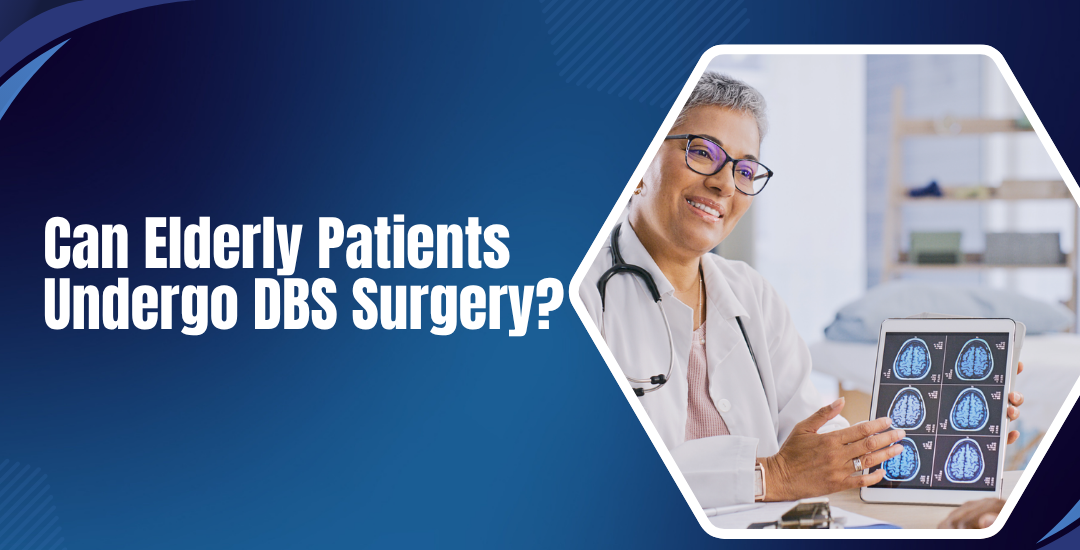
Age is not a standalone contraindication for Deep Brain Stimulation surgery.Clinical eligibility is determined by overall medical fitness,cognitive status and the severity of the movement disorder rather than age alone Patients in their seventies and eighties have undergone successful DBS procedures when pre-surgical evaluation confirmed adequate cardiac health and neurological function.
According to Dr. Naren Nayak, neurosurgeon in Thane, “Surgical eligibility for DBS in elderly patients is determined by physiological fitness rather than chronological age. A medically stable patient in their mid-seventies can achieve outcomes comparable to a younger candidate with comorbidities.”
What Clinical Criteria Determine Eligibility in Elderly Patients?
Pre-surgical evaluation for elderly DBS candidates involves a structured assessment across multiple parameters unrelated to age alone.
- Cognitive Assessment: Confirmed dementia or progressive cognitive decline is a contraindication for DBS. Age-associated mild memory changes without functional impairment do not disqualify a patient from surgical consideration.
- Cardiac and Pulmonary Fitness: General anaesthesia suitability is evaluated through cardiac and pulmonary function tests. Both organ systems must meet defined thresholds before surgery is recommended.
- Levodopa Response History: In elderly patients with Parkinson’s disease a documented history of positive response to levodopa therapy is typically required as part of the eligibility criteria.
- Severity of Motor Symptoms: Patients with severe tremors or rigidity that no longer respond adequately to medication are considered for surgical intervention irrespective of age when other criteria are met.
Elderly patients who satisfy these criteria demonstrate surgical outcomes comparable to younger patient cohorts in published clinical data go for deep brain stimulation to understand the full procedure and candidacy requirements in detail.
What Are the Risks and Outcomes for Elderly DBS Patients?
Surgical risk increases with age but remains within acceptable parameters when pre-operative evaluation is thorough and patient selection is precise.
- Infection Management: Recovery of immune function is slower in elderly patients. Post-operative wound monitoring is conducted at closer intervals compared to younger patients to detect early signs of infection.
- Recovery Duration: Full return to normal activity typically requires eight to twelve weeks in elderly patients. Younger patients generally recover within four to six weeks under comparable surgical conditions.
- Post-operative Confusion: Transient confusion following surgery occurs more frequently in elderly patients. In the majority of cases this resolves within days to two weeks without pharmacological intervention.
- Symptom Outcomes: Meaningful reduction in tremor severity and improvement in daily motor function is achievable in elderly patients. Clinical benefit typically becomes apparent within two to three months of device activation.
Patient selection based on objective clinical criteria rather than age-based assumptions determines the safety and effectiveness of DBS in this population. For information on long term device management Go fot DBS battery replacement for a detailed clinical overview.
Why Choose Dr. Naren Nayak for DBS Surgery in Elderly Patients?
Dr. Naren Nayak has over 15 years of neurosurgical experience with a focused specialisation in Deep Brain Stimulation including cases involving elderly patients with multiple medical considerations. His fellowship in Functional Neurosurgery from Japan and role in co-founding one of Mumbai’s first dedicated DBS programs means pre-surgical evaluation for older patients covering cardiac fitness, cognitive baseline and anaesthesia risk is conducted with a level of clinical specificity that informs surgical recommendation directly.
Families seeking clarity on whether DBS is a viable option for an elderly patient receive a structured clinical assessment with a clear recommendation based on objective findings rather than age as a primary factor.
Frequently Asked Questions
Is there an age limit for DBS surgery?
No fixed age limit exists. Overall health and cognitive status determine eligibility.
Can a 75-year-old patient undergo DBS surgery?
Yes if cardiac health and cognitive function meet the required surgical criteria.
Are DBS outcomes different in elderly patients?
Results vary but many elderly patients achieve significant tremor relief post-surgery.
How long does recovery take for older DBS patients?
Most elderly patients recover fully within eight to twelve weeks after surgery.