Hearing a diagnosis of Parkinson’s disease at a younger age can be overwhelming. One of the first questions that comes to mind is:
👉 “What does this mean for my life expectancy?”
If you or a loved one is dealing with young onset Parkinson’s disease (YOPD), understanding the reality behind life expectancy, treatment options, and long-term outcomes can bring clarity and confidence.
As an experienced neurosurgeon in Thane, Dr. Naren Nayak, emphasizes, early diagnosis and the right treatment plan can significantly improve both lifespan and quality of life.
Young onset Parkinson’s disease does not significantly reduce life expectancy in most patients. With proper treatment, lifestyle changes, and advanced therapies like Deep Brain Stimulation (DBS), many individuals live a near-normal lifespan while maintaining a good quality of life.

What Is Young Onset Parkinson’s Disease?
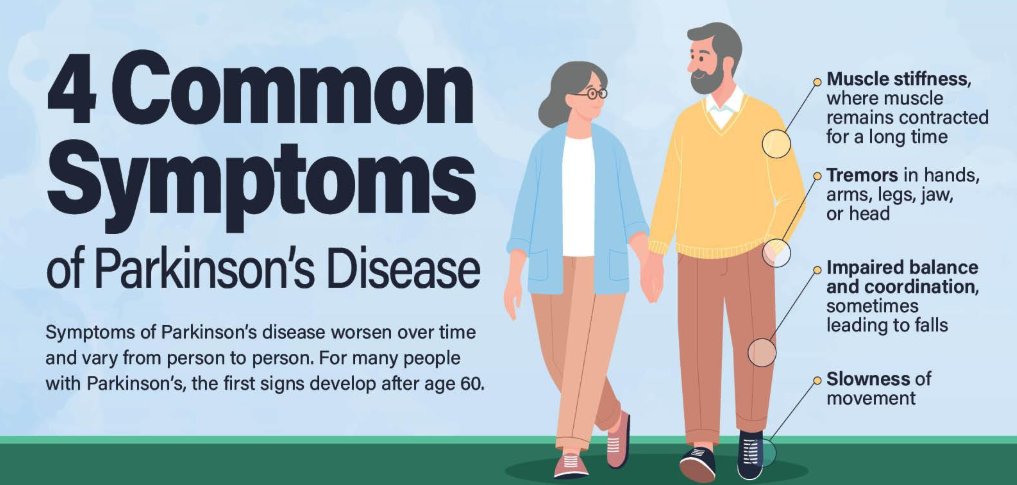
Young onset Parkinson’s is diagnosed when symptoms appear before the age of 50.
Common early symptoms include:
- Tremors in hands or fingers
- Muscle stiffness
- Slowed movement
- Changes in posture or balance
👉 The key difference? Patients are younger, more active, and often managing careers and families at the same time.
Does Young Onset Parkinson’s Affect Life Expectancy?
Let’s address the biggest concern clearly:
👉 Most patients with young onset Parkinson’s have a near-normal life expectancy.
However, outcomes depend on:
- Early diagnosis
- Treatment consistency
- Overall health and lifestyle
- Access to advanced care
Unlike late-onset Parkinson’s, younger patients often:
- Respond better to treatment
- Stay physically active longer
- Experience slower disease progression
Noticing early symptoms like tremors or stiffness?
👉 Consult a neurosurgeon in Thane for early diagnosis and personalized Parkinson’s care.
How Fast Does Young Onset Parkinson’s Progress?
This is another common worry.
👉 Progression is usually slower in younger patients.
But here’s the important part:
- Symptoms may take years to significantly affect daily life
- Motor complications can appear earlier due to long-term medication use
Regular monitoring and treatment adjustments play a crucial role in maintaining stability.
Factors That Influence Life Expectancy in Young Parkinson’s
Life expectancy is not just about the disease, it’s about management.
Key factors include:
- Timely treatment
- Physical activity and exercise
- Mental health support
- Access to advanced therapies like DBS
👉 Patients who stay proactive with treatment often maintain independence for many years.
Role of Deep Brain Stimulation (DBS) in Improving Quality of Life
One of the biggest advancements in Parkinson’s care is Deep Brain Stimulation (DBS).
Here’s why it matters:
- Reduces tremors and stiffness
- Improves movement control
- Reduces dependency on medications
- Enhances daily functioning
👉 While DBS does not cure Parkinson’s, it significantly improves quality of life, which indirectly supports better long-term outcomes.
Looking for long-term relief from Parkinson’s symptoms?
👉 Explore advanced options like DBS with expert neurosurgical care in Thane.
Can You Live a Normal Life with Young Onset Parkinson’s?
The answer is encouraging:
👉 Yes, many patients continue to work, travel, and lead fulfilling lives for decades.
With the right approach:
- Careers can be managed effectively
- Daily activities remain independent
- Social and family life continues normally
👉 The focus shifts from “limitations” to “management.
Lifestyle Changes That Improve Long-Term Outcomes
Simple lifestyle changes can make a big difference:
- Regular exercise (walking, yoga, physiotherapy)
- Balanced diet
- Stress management
- Good sleep routine
👉 These habits not only improve symptoms but also enhance overall well-being.
Don’t wait for symptoms to worsen.
👉 Schedule a consultation and build a long-term Parkinson’s management plan with a specialist in Thane.
Common Myths About Young Onset Parkinson’s Life Expectancy
Let’s clear some misconceptions:
❌ Myth: Parkinson’s drastically shortens life
✔ Fact: Most patients live long, meaningful lives
❌ Myth: Symptoms progress very quickly
✔ Fact: Progression is often slower in younger patients
❌ Myth: Surgery is the last option
✔ Fact: Advanced treatments like DBS can be introduced at the right time for better outcomes
Conclusion
A diagnosis of young onset Parkinson’s can feel life-changing, but it is not life-limiting.
With early diagnosis, the right treatment approach, and expert guidance, patients can lead long, active, and fulfilling lives. Understanding your options and staying proactive makes all the difference.
If you are looking for expert guidance on Parkinson’s treatment or advanced procedures like DBS, consulting an experienced specialist can help you navigate this journey with confidence.
Frequently Asked Questions
1. What is the average life expectancy for young onset Parkinson’s patients?
Most patients have a near-normal life expectancy, especially with proper treatment and care.
2. Does young onset Parkinson’s progress faster than regular Parkinson’s?
No, it usually progresses more slowly but may require long-term management.
3. Can DBS improve life expectancy in Parkinson’s patients?
DBS improves quality of life and symptom control, which can positively impact long-term outcomes.
4. At what age is Parkinson’s considered “young onset”?
It is considered young onset when diagnosed before the age of 50.
5. Is young onset Parkinson’s hereditary?
In some cases, genetics may play a role, especially in younger patients.